- Racket Business
- Posts
- Never Stop Learning
Never Stop Learning
Deniza Marcinkevica, Juan Garcia


Juan Garcia & Deniza Marcinkevica
December 25, 2025
Table of Contents
Deniza Marcinkevica: Why Young Tennis Players and Their Parents Often Underestimate Fitness and Nutrition
Why Young Tennis Players and Their Parents Often Underestimate Fitness and Nutrition
by Deniza Marcinkevica
For many young tennis players and their parents, the focus is often on technique, match wins, and tournament results. Hours are spent perfecting serves, groundstrokes, and footwork, but fitness and nutrition can sometimes be overlooked. Yet these off-court elements are just as important as on-court skills for long-term success, performance, and injury prevention. Understanding why they are underestimated is the first step toward creating a more balanced approach to tennis development.
“We don’t need to do fitness or eat very healthy to win matches”,- said one of the parents of a young tennis player to me. Yet, they don’t know that tennis is a long-term process, where those who take care of their body the most will be the most successful in the long run. One common misconception is that tennis is purely a skill-based sport. While technical proficiency is essential, the physical demands of the game are significant. Matches can last several hours, and the sport requires bursts of speed, agility, strength, and endurance. Without proper conditioning, even the most talented player may struggle to maintain performance through long matches or multi-day tournaments. Unfortunately, parents and young athletes often focus primarily on strokes and strategies, assuming that fitness will naturally follow from playing tennis alone.
Another factor is short-term thinking. “Well, we don’t even know what kind of fitness to do,” parents of young players often tell me. And I agree that many people don’t know where to start. First, I recommend hiring an expert in tennis-specific fitness. This professional will take care of your child outside the court, helping them become stronger, faster, and more resilient. Second, I personally have sent customized fitness programs to my players (as many tennis and fitness coaches do), which I believe greatly benefit athletes off the court. From there, it becomes clear which athletes and parents are fully committed and which ones may not continue in tennis for too long. Some players did nothing, while others followed full programs and consistently felt stronger, faster, and more confident on the court.
Usually, parents and players prioritize immediate match outcomes over long-term development. Fitness programs and nutrition plans take time to show measurable effects, so they are often deprioritized in favor of more practice or tournament play. However, consistent conditioning and proper nutrition provide sustainable energy, faster recovery, and improved mental focus benefits that become evident over months and years rather than days. Teaching families to think long-term is key to preventing burnout and enhancing overall performance.
Nutrition is another area often underestimated. Many families equate “healthy eating” with avoiding candy or junk food, but tennis-specific nutrition is more nuanced. Energy timing, hydration, protein intake, and recovery meals all influence stamina, strength, and mental sharpness. Without guidance, young athletes may feel energetic at first but struggle during long practices or tournaments. Proper nutrition combined with structured training helps players maximize their potential on and off the court.
Fitness itself can also feel secondary or even boring to young athletes. Gym sessions, strength work, and conditioning drills do not provide the immediate excitement of hitting the ball or competing in a match. Parents may unintentionally reinforce this by emphasizing match wins over structured fitness. The solution lies in making conditioning tennis-specific, goal-oriented, and fun, helping players see the direct impact of fitness on their performance.
Injury prevention is another critical but often underestimated area. Many parents only become aware of its importance after an injury occurs. Proper conditioning strengthens muscles, tendons, and joints, reducing overuse injuries common in young tennis players, especially in the shoulders, elbows, knees, and ankles. While awareness is growing, not all parents know the best way to implement safe programs. Tennis-specific courses offered by organizations like ITF, USTA, or UTR can educate parents on age-appropriate conditioning, proper weights, speed, and technique, ensuring young athletes train safely while continuing to develop on-court skills.
In conclusion, fitness and nutrition are fundamental elements of a young tennis player’s success. Misconceptions about their importance, short-term thinking, lack of guidance, and a focus on immediate wins all contribute to their underestimation. By educating parents, making fitness fun and tennis-specific, emphasizing injury prevention, and modeling professional routines, young athletes can develop stronger, healthier bodies, prevent injuries, and reach their maximum on the court. Recognizing that tennis success is as much about preparation off the court as skill on it is the first step toward building champions who thrive both physically and mentally.
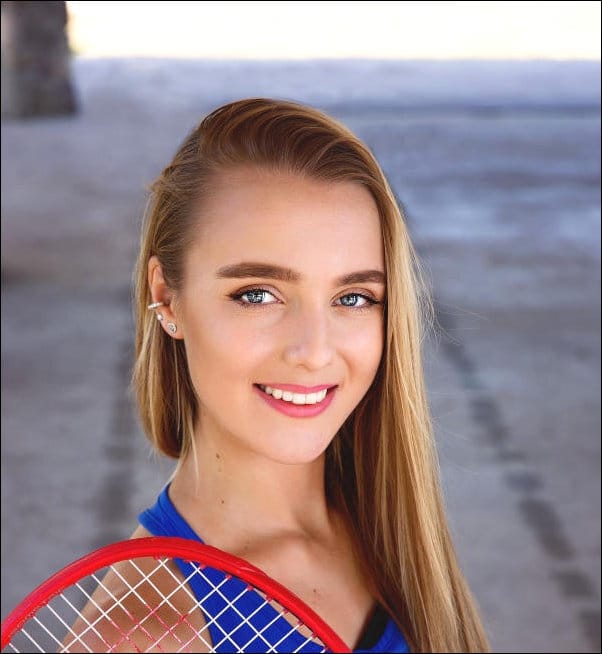 | Deniza Marcinkevica is a former professional tennis player, tennis developer, and sports entrepreneur from Latvia, now living in Boca Raton, Florida. |
J.Garcia: Three Steps to Building and Keeping Your Clients
Three Steps to Building and Keeping Your Clients
by Juan Garcia, Director of Racquet Sports, San Dieguito Tennis Club, Encinitas, California
1. Connect Personally
The foundation of client retention is the personal connection. Show genuine care by asking students about their lives, hobbies, and work. Find common ground to build rapport.
Adults: Ask about work, family, hobbies, and whether they play singles or doubles.
Kids: Ask about school, games, and sports.
Share: Offer insights into your own life.
This personal relationship shows you care and gives you an advantage over impersonal, social media-based teaching options.
2. Make It Fun and Student-Centered
Knowing your student's personality allows you to make lessons enjoyable and catered to their needs. Cater to their pace (long focus vs. quick rotation) and integrate their other interests.
Adults: Let them lead. Prompt them by asking: "What would you like to accomplish today (technique, hitting, points)?" Avoid the common mistake of only teaching what you want to work on; if they ask for serves, work on serves.
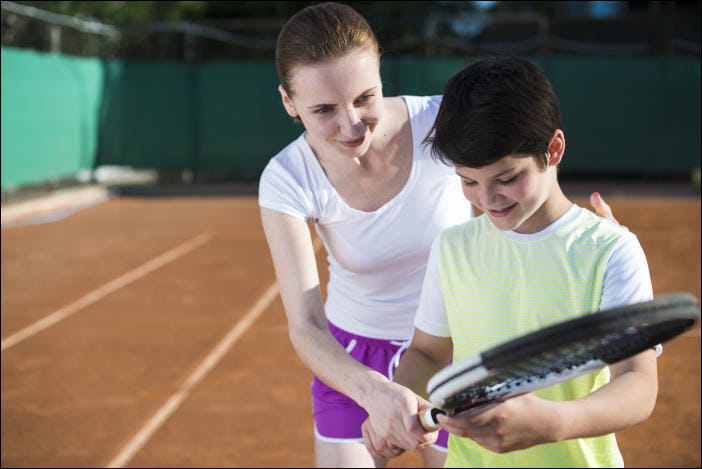
Kids: The pro should take charge of the plan, but make time for fun. Explain the why behind drills and include their favorite strokes. Use creative elements like video game "levels" or a few minutes of 'tweeners to keep them engaged and having fun.
3. Ensure Consistent Improvement
While connection and fun bring students back initially, improvement is the key to long-term retention. Understand your student's learning style to ensure concepts "click.
" Stay Current: Remain open-minded, attend conferences, and talk to peers. If you become stagnant, you become a "dinosaur.
" You must be willing to be coached (i.e., learn new methods) if you expect your students to be.
Conclusion
By consistently applying these 3 steps (Connect, Fun, and Improve), you will keep clients returning and encourage them to refer others. Be passionate, energetic, and self-aware to grow the game one student at a time.
 Juan Garcia | Juan GarciaJuan Garcia is the Director of Racquets at San Dieguito Tennis Club in Encinitas, California, and an award-winning RSPA professional. |