- Racket Business
- Posts
- Never Stop Learning
Never Stop Learning
Milano-LaCroix-Knowles-MacNally + LinkedIn Gold


Rich Neher, Mike Knowles, Steve Milano & Kyle LaCroix
November 24, 2026
Table of Contents
Steve Milano: USHSTA Bringing Back Its Coaching Workshop in 2027
The U.S. High School Tennis Association is hosting two high school tennis coaches' workshops at the IMG Academy in Bradenton, FL, on January 16, 2027, and in Metro Atlanta on January 23.
These are high school-specific workshops, covering off-court administration and on-court practices and match management.
The workshop also includes a free membership to the USHSTA, a free copy of the USHSTA coaching workbook, and a sponsored lunch and talk by USTA Florida to help coaches learn about the many resources the USTA has for schools.
Topics include:
How to run Game-Based drills
Teaching girls to serve
Correcting common stroke problems
Court Rotations: 12 Kids, 2 Courts, 1 Coach
The most common coaching mistakes
Pre-and post-practice warm-up, cool-down, conditioning, and stretching
USTA resources for schools
High school tennis program administration
Quick pedagogy and motor learning overview
Model practice plan
Teaching private lessons
“This is not a generic tennis coaching workshop packaged for high school coaches,” said USHSTA executive director, Steve Milano.
“USHSTA workshops are created specifically for high school, middle school and junior high school tennis coaches to cover the specific situations they have managing school programs.
“In addition to on-court lectures addressing the needs of teen players of varying abilities, the workshop provides off-court program management advice, as well,” said Milano, a former high school tennis coach.
For more information about the workshop, including a detailed description of the curriculum and registration details, visit www.ushsta.org.
 | About the AuthorSteve Milano is the founder and executive director of the U.S. High School Tennis Association and former executive director of the PTR Foundation. He has conducted coaching workshops and presented lectures across the U.S. and around the world for more than 35 years. |

Kyle LaCroix: You might be winning at the wrong game.
For years, I thought a full lesson book meant I was doing everything right.
More lessons. More clinics. More member requests. More hours on court. And for a while, that IS the game. When you’re building your career as a teaching professional, your ability to produce matters.
But if your goal is to become a Director, lead a department, build a business, or eventually own something, the game changes.
You can’t keep measuring success only by what YOU personally produce.
The questions become different. Can you develop other professionals? Can you grow revenue beyond your own lessons? Can you lead people? Can you build systems? Can you solve bigger problems? Can you create something that works without you?
That transition is difficult because the skills that made you successful early in your career aren’t necessarily the skills that will take you where you want to go next.
At some point, you need a different scoreboard.
Stop measuring yourself only as a producer when you’re trying to become a leader.
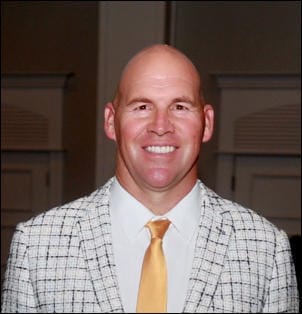 Kyle LaCroix | Kyle LaCroix, Founder & CEO of SETS |
Mike Knowles: 2026 USTA Florida Tennis Report
Sunday morning reading: USTA Florida just published the most complete picture of tennis in this state I have ever seen. 160 pages jam-packed full of useful data.

Start with the good news, because it is genuinely good. 1.95 million Floridians played tennis in 2025, up from 1.2 million in 2019. And 1.83 million more say they want to play and haven't started. For kids, the want-to-play group is now bigger than the playing group.
Florida does not have a demand problem.
Here is the number in the report nobody will headline. Community Coach training - the program that prepares the people who run beginner clinics, after-school programs, the first lesson a new player ever takes - trained 94 people in the first nine months of this year. Same months last year: 296. The year before: 390. The training sessions themselves fell from 20 to 8.
The report counts a second program next to it: 1,551 people have enrolled in the new national USTA Coaching program since it launched last August, most of them at the entry level. Maybe the pipeline is moving. The report keeps the two programs separate, so nobody can prove it either way yet. But the program built to put new coaches into parks and community programs - the front door of this sport - is down two-thirds in a year, and the burden of proof sits with the replacement. And the leak is not only at the front door. Adult women's tournament entries fell 22 percent in the same nine months, even as more events were offered to them. Those are players the sport already has. Courts don't turn a curious person into a player. People do. The coach who makes the first hour fun. The beginner format that fits a working adult's life. That layer of the sport - the one that lives in parks and community programs - is getting thinner at exactly the moment 1.83 million Floridians say they want in. |  Larry Haugness, Promoter of Tennis: Today I was giving a lesson to a 3.0 player who has had issues, read difficulties hitting a topspin forehand. I had one of those thoughts that would either be brilliant or a really bad idea.  Victor Bergonzolis, SportsEdTV: IS HUBRIS THE DEMON OF SUCCESS? |
The report makes its case for courts, and the case is real: only 21 percent of Florida's 18,293 courts are public, and per court, they draw twice the visits of private ones. Build them. But a new court with nobody to welcome a beginner onto it is just fresh pavement.
The opportunity in Florida tennis is not finding more interest. The interest is standing right there. It is converting it - one coach, one beginner program, one first lesson at a time.
The full report is in the first comment. If you run a facility, a parks department, or a program in this state, it is the most useful document anyone has handed you in years.
Happy Sunday. It’s going to be a chilly, sunny fall day today in Florida. An absolutely perfect day to go find your court and enjoy this amazing game.
 | Mike Knowles is the founder of Inside the Lines Advisory, a growth strategy practice built exclusively for the racquet sports industry. A former Division I All-American tennis player at the University of Mississippi, he spent two decades in marketing at agencies including Publicis and Young & Rubicam and on the client side at Flowers Foods before serving as CMO of the Racquet Sports Professionals Association. |
Duncan MacNally: The Beginner Retention Challenge: How Tennis Coaches Can Turn First-Time Players Into Regulars

Getting someone interested in tennis is only the first step. The bigger challenge for tennis coaches is helping that person enjoy the sport enough to keep coming back. A beginner might arrive at the first lesson feeling excited, but that enthusiasm can fade when they struggle to hit the ball consistently, find the rules confusing, or feel that everyone else is progressing faster.
For coaches, beginner retention requires more than good instruction. It involves understanding what motivates new players, recognizing the challenges they face, and creating an environment where learning feels rewarding rather than intimidating. When beginners can see their improvement, connect with other players, and enjoy the experience, they have more reasons to make tennis part of their regular routine.
Why Keeping Beginners Matters
Tennis continues to attract new participants, creating opportunities for coaches to introduce the sport to people of different ages and skill levels. According to the United States Tennis Association's 2026 tennis participation report, tennis participation in the United States reached 27.3 million players in 2025, a 54% increase since 2019. The sport also welcomed 4.9 million first-time players in 2025.
These figures highlight the opportunities available to tennis coaches. However, attracting new players is only part of the equation. Helping them remain involved is equally important.
Beginners may stop attending lessons for several reasons. Some become frustrated when their shots do not improve as quickly as expected. Others struggle to fit practice into busy schedules or feel uncomfortable playing alongside more experienced participants. For some, the problem is simpler: they enjoy their first lesson but do not know what to do next. Coaches who understand these obstacles can create programs that encourage continued participation. Instead of measuring success only through new registrations, they can focus on whether beginners return, develop confidence, and gradually become independent players. |  Alec Moore, Hope Valley Country Club: Just completed my final one-on-one call with Mark McMahon as completion of the 2026 Certified Racquet Sports Executive (CRSE) program nears. Throughout 2026, the course covered the various topics essential to leading a modern racquet sports program and challenged the cohort to work through a personal project alongside the coursework that each module presented. |
1. Make the First Experience Less Intimidating
A beginner's first lesson can shape their attitude toward tennis for months or even years. If the experience feels confusing, overly technical, or unnecessarily competitive, the player may decide that the sport is not for them.
Coaches can prevent this by making the first session approachable and enjoyable.
Rather than immediately introducing every aspect of technique, begin with simple activities that help students make contact with the ball. Short-court rallies, gentle feeds, and basic coordination exercises allow beginners to experience the game without worrying about perfect footwork or powerful shots.
The lesson should also include a clear explanation of what students will learn. Someone who has never held a racket may not understand tennis terminology or know where to stand. A few simple demonstrations can remove much of that uncertainty.
It is equally important to create an atmosphere where mistakes are expected. Beginners should feel comfortable asking questions, missing shots, and trying again without worrying about being judged.
For adult learners, this may mean avoiding unnecessary comparisons with experienced players. For children, it could involve playful challenges that reward participation and effort rather than simply winning.
The first lesson does not need to produce a dramatic improvement in technique. Its purpose is to help the player leave feeling comfortable, encouraged, and interested in returning.
2. Set Realistic Expectations About Learning Tennis
One of the most common reasons beginners lose motivation is the gap between their expectations and their actual progress.
People who watch professional tennis may assume that good players make difficult shots because they possess natural talent. They may not appreciate the years of practice behind consistent serving, controlled groundstrokes, and effective movement.
As a result, beginners sometimes expect to develop reliable technique after only a few lessons. When their shots continue to land in the net or travel beyond the baseline, they may conclude that they lack the ability to improve. Coaches can address this by explaining the learning process from the beginning. Tennis involves several skills that develop at different rates, including hand-eye coordination, timing, footwork, racket control, and decision-making. |  Shaun Boyce, American Racket Sports Association: I’ve been in racket sports for almost 30 years, and the people who shaped my career were rarely the ones collecting awards. They were the head pro who gave me my first real job, the director who covered for me when I needed it, and the coaches who showed up every day without asking for credit. |
Students should understand that improvement depends on several factors, including how often they practice, their previous sporting experience, and the complexity of the skills they are learning.
Coaches can also direct interested students to helpful resources explaining how long it takes to get good at tennis. This gives beginners a useful starting point for understanding why progress varies and why regular practice matters.
The important message is that players do not need to become highly skilled immediately to enjoy tennis. Being able to sustain a short rally, return a serve, or move into position more confidently can represent meaningful progress.
When expectations are realistic, beginners are less likely to interpret ordinary learning difficulties as personal failures.
3. Give Players Small Goals They Can Actually Achieve
General encouragement is useful, but specific goals give beginners something concrete to work toward.
A coach who tells a student to improve their forehand has identified a broad objective. However, a beginner may not know what improvement means or how to recognize it.
Breaking that objective into smaller milestones makes the process easier to understand.
For example, a student might begin by making consistent contact with a gently fed ball. The next milestone could involve directing the ball toward a particular area of the court. Later, the student might work on maintaining a short rally with a partner.
Each achievement creates a foundation for the next challenge.
Coaches should also revisit earlier milestones occasionally. A beginner who struggled to return five consecutive shots during the first lesson may be surprised to discover that the task has become much easier after several weeks of practice.
This is where progress reviews become valuable. At the end of a session, the coach can identify one thing the student did well and explain what they will work on next.
The feedback should be specific and relevant. Instead of simply saying, "Good job," a coach might explain that the player is making contact farther in front of their body or recovering to a better position after hitting the ball.
These observations help beginners understand that their efforts are producing results.
Small, achievable goals also prevent lessons from feeling repetitive. Students know what they are trying to accomplish, while coaches have a clear way to adapt exercises as their abilities develop.
4. Balance Technical Drills With Real Gameplay
Technical instruction is essential, but beginners can lose interest if every lesson consists of repetitive drills.
Students generally want to understand how the skills they practice translate into playing tennis. If they spend several sessions working on forehands without experiencing a rally or a simple game, they may struggle to see the purpose of the exercises.
Coaches can address this by introducing modified gameplay early in the learning process. For example, students can play cooperative rallies across a shorter court, aiming to keep the ball in play rather than trying to win points. Once they become more comfortable, coaches can introduce simple serving games, target-based challenges, or short matches with adjusted rules. These activities allow beginners to apply their developing skills in situations that resemble real tennis. They also introduce decision-making. Players begin to recognize when they should move toward the ball, how to position themselves, and where they might direct their next shot. |  Kyle LaCroix, Career Architect for the Racquet Sports Industry: There’s something powerful about traditions that quietly shape people. |
The level of difficulty should remain appropriate. A complete beginner who struggles to return a slow ball may not benefit from a full-court match against an experienced player. Similarly, an activity that offers no challenge may quickly become boring.
The best exercises provide enough difficulty to encourage improvement without making success feel impossible.
By combining instruction with gameplay, coaches help students understand that lessons are not simply about learning techniques. They are preparing players to enjoy the sport itself.
5. Use Group Lessons to Build Social Connections
Tennis may be played individually, but learning the sport can be a social experience.
For many beginners, the people they meet through lessons become an important reason to continue attending. Familiar faces, friendly competition, and opportunities to practice together can make tennis feel like a regular part of their social lives.
Coaches can encourage this by organizing activities that require students to interact with one another.
Partner drills, cooperative rallies, and beginner-friendly doubles games allow players to work together while developing their skills. Rotating partners also helps prevent students from becoming isolated if they arrive without knowing anyone.
Grouping students with broadly similar abilities can make these activities more enjoyable. Beginners are less likely to feel embarrassed about missing shots when everyone is learning together.
Occasional social sessions can strengthen these connections further. A relaxed doubles afternoon or a friendly round-robin event gives students an opportunity to play without the pressure of a formal lesson.
Coaches should make sure these activities remain welcoming. Competitive players may naturally focus on winning, but beginners need opportunities to participate without feeling that their mistakes are inconveniencing their partners.
Over time, these social connections can create an additional reason to return. Students are no longer attending only to improve their technique; they are also coming to enjoy time with other people who share their interest.
6. Make Consistent Practice Easier to Maintain
Even enthusiastic beginners can struggle to attend lessons regularly. Work, school, family responsibilities, transportation, and other commitments can make a consistent schedule difficult to maintain.
Coaches can improve retention by making the next step clear and helping students find a realistic practice routine.
For example, a beginner finishing an introductory lesson should know which class or activity would be suitable next. Offering clearly explained options can prevent students from losing momentum simply because they do not know how to continue.
Flexible scheduling may also help players who cannot commit to the same time every week. Where possible, coaches can offer suitable alternatives, practice sessions, or group activities that accommodate different availability. Encouraging short practice sessions between lessons can make progress feel more manageable. Beginners might practice basic footwork, rehearse their service motion without a ball, or work on simple coordination exercises when court access is unavailable. These activities should complement formal instruction rather than replace appropriate on-court practice. |  Andy Dowsett, Founder, SYSTEM-9™ Tennis: BIG NEWS FOR IRISH TENNIS and SYSTEM-9 |
Communication is another important part of retention. A friendly follow-up after an introductory lesson gives students an opportunity to ask questions, share feedback, and learn about the next stage of their development.
If someone misses several sessions, a supportive check-in may reveal a practical obstacle that can be addressed.
The objective is not to pressure players into continuing. It is to make participation easier for those who want to keep learning.
7. Recognize Effort, Not Just Winning
Beginners often measure their ability by the number of shots they miss or points they lose. This can make tennis discouraging, particularly when improvement is gradual.
Coaches can change that perspective by recognizing effort, persistence, and better decision-making alongside technical achievements.
For instance, a player who misses a forehand but moves into the correct position has still made progress. A student who struggles with a serve but applies feedback and tries again is demonstrating an important learning habit.
Recognizing these behaviors reinforces the idea that improvement comes through practice.
Praise should be genuine and specific. Telling a student that their recovery footwork has improved gives them useful information, while general compliments may not explain what they did well.
It is also important to avoid comparing beginners with one another. Students have different physical abilities, learning speeds, and previous experiences with sport. One person may develop a consistent serve quickly but struggle with movement, while another may excel at rallying before mastering serving technique.
Coaches should help each player focus on their own development.
Celebrating milestones can reinforce this approach. Completing a first rally, returning a serve successfully, or playing a first friendly match can all be meaningful achievements.
When students feel that their effort matters, they are more likely to remain motivated through difficult stages of learning.
8. Measure Retention and Learn From Student Feedback
Coaches who want to improve beginner retention should examine what happens after the first lesson.
Registration numbers reveal how many people start, but they do not show how many continue. Tracking attendance and return rates can help coaches identify where beginners are losing interest. The USTA's 2026 tennis participation report found that 80% of players who participated in 2024 also played in 2025, marking a five-year high in retention. The report also recorded 14.5 million core players in 2025, defined as people who played tennis at least 10 times during the year. These national figures illustrate the importance of continued participation, although they should not be treated as direct benchmarks for individual coaching programs. |  Ashley Owens, CourtReserve Co-Founder & Chief Evangelist: Y'all. I'm still smiling from SMASH 2026. |
Local coaches can monitor a few practical measures to understand their own results:
Second-lesson bookings: How many first-time students return for another session?
Attendance patterns: Are beginners attending consistently or missing lessons frequently?
Program completion: How many students complete an introductory course?
Continued participation: Do beginners progress into regular classes, practice groups, or recreational matches?
Student feedback: What do participants enjoy, and what makes it difficult to continue?
Feedback can be particularly valuable when collected before students leave a program. A brief conversation or simple questionnaire may reveal that lessons are too difficult, sessions are inconveniently scheduled, or students would appreciate more opportunities to play matches.
Coaches can then use this information to make practical improvements.
Retention data should support better coaching rather than become an end in itself. The ultimate goal is to understand what helps beginners enjoy tennis and what prevents them from continuing.
Turning First-Time Players Into Regulars
Beginner retention is not achieved through a single coaching technique. It develops through a series of positive experiences that help players feel comfortable, recognize their progress, and understand how to continue learning.
Coaches can make a meaningful difference by keeping first lessons approachable, setting realistic expectations, introducing achievable goals, balancing drills with gameplay, and creating opportunities for social interaction.
They should also recognize that beginners have different motivations. Some want to become competitive players, while others are looking for exercise, recreation, or a new way to meet people. Understanding these differences allows coaches to provide experiences that feel relevant to each student.
Not every beginner will continue playing, and some will face circumstances beyond a coach's control. However, when students leave lessons feeling encouraged rather than discouraged, they have a stronger reason to return.
Ultimately, successful tennis coaching involves more than teaching players how to hit the ball. It means helping them build confidence, enjoy the learning process, and discover a sport they can continue playing for years to come.
 | Duncan MacNally is a contributor at TennisProNow, passionate about making tennis accessible and enjoyable for players of all ages and skill levels. He focuses on beginner development, effective coaching approaches, and helping new players build confidence and improve their game. |