- Racket Business
- Posts
- Tennis Training System without language and hearing barriers
Tennis Training System without language and hearing barriers
Russian tennis pro Bakhtior Kraev on creating a completely new professional pathway for deaf people
Tennis Training System without language and hearing barriers |  |
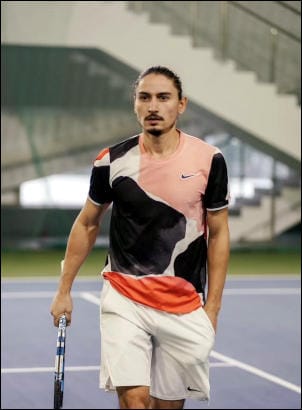 | I am a coach with over 12 years of practical experience. More than 6 years of my work have been dedicated to training an athlete who has been deaf since birth, which allowed me to develop a systematic approach to learning through the body and movement. This approach is not based on theory but on long-term practical work and observing how the body reacts to the ball, movement, and game situations, regardless of hearing or language. |
Currently, I present this approach in different countries and am seeking partners to launch a pilot project, with the aim of researching, adapting, and potentially integrating it into the sports system.
An Approach Formed Through Real Sporting Practice
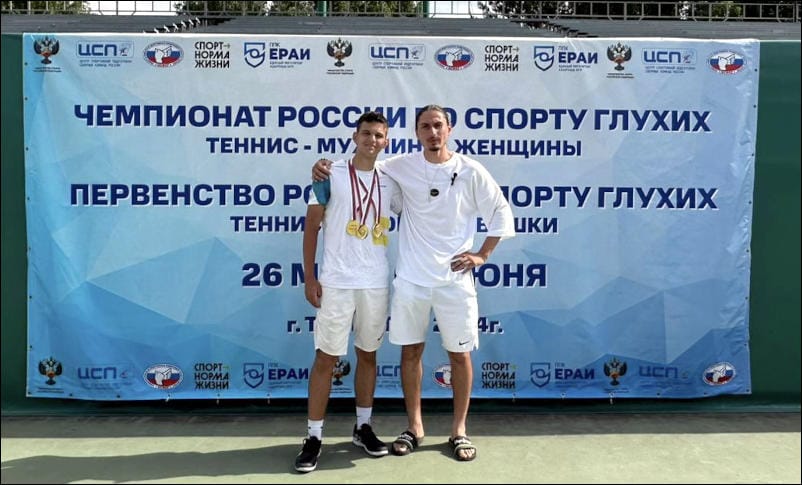
The approach was formed through many years of practical work with a student who is deaf from birth.
start of joint work — 2018;
more than 6 years of continuous training;
the training process was built without reliance on hearing or spoken language — through movement, body awareness, and practical experience;
the method was developed and refined in real training and competitive conditions
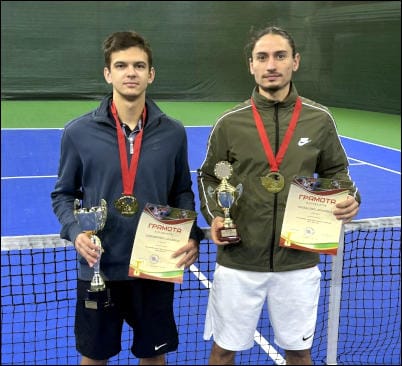
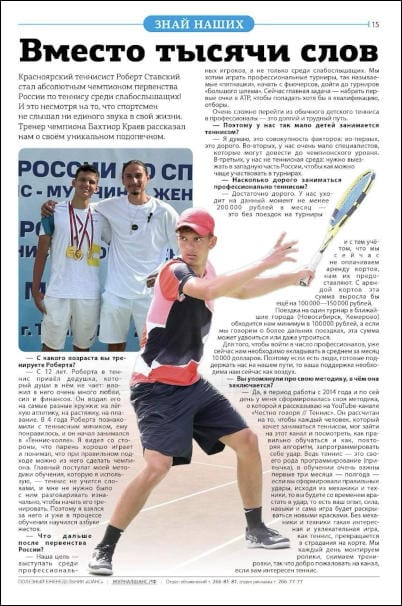
The athlete’s results received public recognition:
|  |
International Experience:
Participation in ITF M15 / M25 tournaments (Monastir)
Competed in 9 qualification events (October 2025 — January 2026)
In two matches — within two points of victory in the decisive super tie-break
Practical case: an athlete deaf from birth
Our case with a deaf athlete demonstrates that a properly structured approach allows for systematic and effective development in tennis. The method overcomes language and hearing barriers, which means that regular athletes can easily follow the same path, minimize mistakes, and unlock their potential. The universality of the method allows it to be scaled for anyone looking to improve their results.
 |  |
It is important to emphasize:
In the public space, the athlete’s results were highlighted, while the approach itself became the internal methodological foundation behind those results, formed and refined throughout the training process.
Learning through Body and Movement
My approach is based not on explanations, but on working with the body, movement, and repetition.
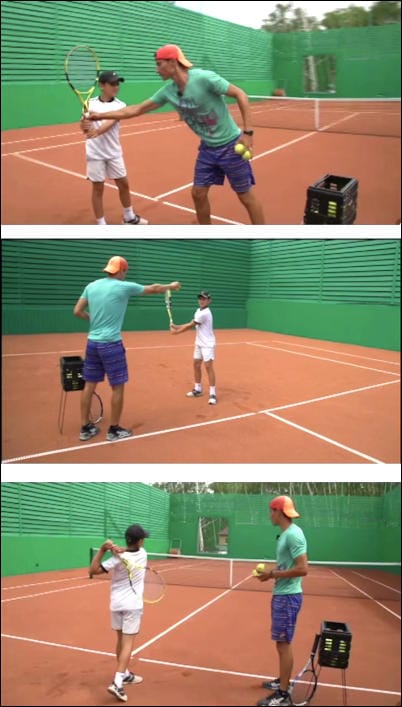 | Even if the coach and athlete do not speak the same language, the body perceives movement in the same way. This makes the learning process more natural, understandable, and sustainable. The approach develops the athlete’s correct bodily responses to the ball:
Thus, training affects not only technique but also the athlete’s game behavior, reducing reliance on hearing, language, and verbal explanations, and building skills directly through movement. |
Minimal and Functional Communication
Language helps, but it is not the foundation of learning.
The foundation of learning is exercises and correction through execution, not verbal explanations.
For effective communication, it is sufficient to have:
Basic knowledge of the local sign language alphabet
10 – 20 basic functional gestures related to exercises and reactions
Gestures are used for:
Movement correction
Fixation of correct actions
Prevention of incorrect motor patterns
It is possible to create intuitive gestures for specific tasks, clearly understood by the athlete within the context of the exercise.
Key principle:
The athlete forms only the necessary motor experience.
A Systemic Solution with International Potential
Today, most “deaf tennis” is actually dominated by hard-of-hearing athletes, as they are able to learn through traditional, verbal-based coaching methods. For athletes who are fully deaf and use sign language as their primary form of communication, tennis remains a nearly insurmountable barrier. |  | Beyond sport, this approach creates a completely new professional pathway for deaf people, including the opportunity to become tennis coaches themselves — something that does not yet exist as a structured system anywhere in the world. |
My Contribution to Human Capital Development
What can I bring?
A training methodology that operates with minimal communication and develops skills through repeated body movements.
Training and preparation of specialists for the practical application of the methodology.
Personal responsibility for specialist preparation and the quality of the educational process.
Willingness to learn languages, culture, and related skills for long-term and sustainable development.
What do I want from our cooperation:
|  |
Conclusion:
I am looking for people who are interested in my experience and the value that we can create together.
Bakhtior:
Email: [email protected]
WhatsApp: +79832814524
Telegram: @Bahatennis
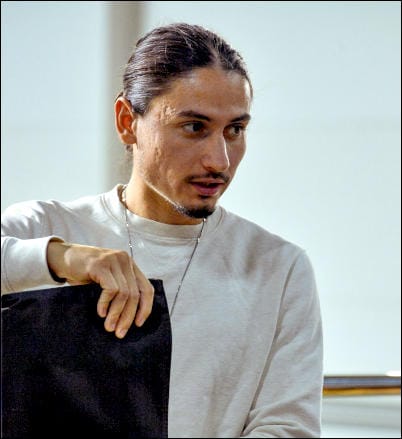 Bakhtior Kraev | Bakhtior is a tennis coach from Krasnoyarsk, Siberia, Russia, and the author of a unique training approach based on systematic, algorithm-like exercises that develop ball feel, technique, biomechanics, and tactical thinking more simply and effectively than traditional methods. From an early age, he sought to understand the nature of success and devoted years of practice to it. A special focus of his work is training athletes with hearing impairments, helping them reach a high level, as confirmed by his players’ results in national and international competitions. |