- Racket Business
- Posts
- May 2026 issue
May 2026 issue
News, trends, conversations, and "holding their feet to the fire" since 2014


Rich Neher & Tim Farthing
May 07, 2026


Hello dear readers, friends, and racket sports enthusiasts.
This month’s issue opens with one of the most important discussions facing the industry today: the growing U.S. College Tennis Exodus. As universities continue to cut programs under mounting financial pressure, we examine why these decisions impact far more than collegiate competition. The article explores how college tennis has long served as a critical development pipeline for future coaches, club leaders, directors, teaching professionals and industry executives — and why losing those programs could create long-term consequences for the entire racket sports ecosystem.
In Rich’s Publisher’s Notes, we reflect on the trends reshaping the industry in real time, while our Racket Sports Industry News section delivers updates on the DCA Retreat, Steve Kappes, Misitrano, OnCourt OffCourt and other developments driving conversations throughout the business.
This issue also features powerful perspectives from industry leaders and coaches working directly “in the trenches.” Gary Horvath reminds us that “taking care of the players” remains central to every successful program and facility. Susan Nardi’s The Snowball Is Now an Avalanche takes a hard look at whether the University of Arizona’s moves may signal a broader shift that could permanently reshape college athletics and racket sports alike.
Education and innovation remain recurring themes throughout this edition. Cassandra Torojan’s Never Stop Learning highlights the importance of continual professional development, while David Pyrzenski’s two-part Building in Public series offers an honest startup perspective on the realities of working inside a traditional racket sports industry environment.
On-court excellence is also front and center this month. Ken DeHart shares a coaching tip designed to “make magic happen” on court, Rod Heckelman reminds us why passion remains the sport’s greatest teaching tool, and Matt Previdi delivers a practical blueprint for building a world-class adult beginner tennis program.
We also spotlight one of the year’s defining industry gatherings in 2026 DCA Retreat – The New Standard, recap emerging career opportunities around the world, and explore major developments across the rapidly growing padel and pickleball sectors. From global padel expansion to a reported $225 million pickleball investment wave, the pace of growth across racket sports continues to create new opportunities for clubs, coaches and entrepreneurs alike.
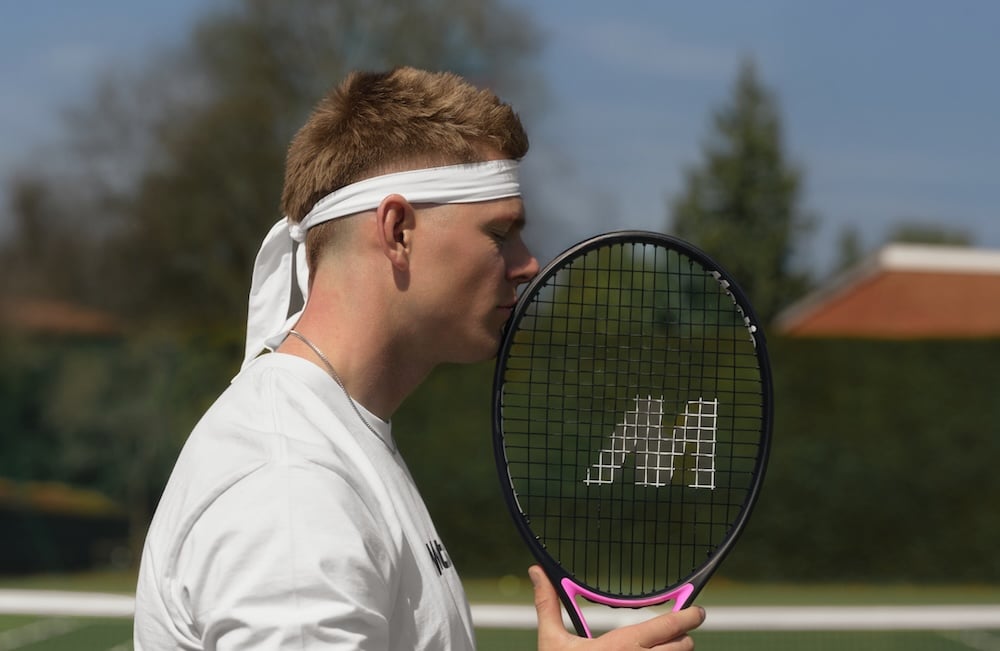
Our Racket Sports Tech feature examines the latest tools and platforms shaping facility management and player engagement, Court Club – The Ultimate Racquet Experience introduces an ambitious new five-acre racquet and wellness destination planned for West Palm Beach and we report on the continued expansion of British-based racket sports brand Mantis.
Finally, don’t miss this month’s Multimedia Picks, where we continue our scouting of the podcasts, webinars and blogs helping industry professionals stay informed and inspired.
Thank you, as always, for being part of the Racket Business community. The industry continues to evolve quickly, but one thing remains clear: the future of racket sports will belong to the organizations and leaders willing to adapt, collaborate and keep learning.
If you have insights, ideas, or industry experience to share, we invite you to contribute to RacketBusiness — because the conversations that shape our sport start with voices like yours. 👉 Write for RacketBusiness
Enjoy the issue, stay curious, and keep swinging forward.
See you courtside,
Rich & Tim (Learn more about us)
P.S. If ever you can’t find Racket Business in your inbox, check your spam folder. And please mark this address as ‘not spam.’ If you’re using Gmail: On mobile, please tap the three dots in the top right and select “move to” and then “primary.” On desktop, please drag this email into your “primary” folder. If you’re using Apple mail: please select our email address and then select “Add to VIPs.” This will ensure you get the email each month.
From inside the lines…
An exclusive series of short features, only available to newsletter subscribers, from the owner’s of Racket Business. This month…
College Tennis Cuts Threaten More Than Scholarships — They Endanger the Future Workforce of Racket Sports
As universities eliminate tennis programs under growing financial pressure, the industry risks losing one of its most important pipelines for future coaches, club leaders and business executives.
Former players who combine competitive experience with college education have long been the backbone of racket sports growth and that system is now under threat
The recent wave of college tennis program cancellations across the United States is more than a college sports story. It is a warning sign for the entire racket sports industry. From NCAA Division I programs to smaller schools struggling with the economics of modern college athletics, tennis is increasingly being squeezed out by football-driven budgets, NIL pressures and revenue-sharing models.
That should concern everyone in racket sports, not just coaches and players, but club owners, directors, manufacturers, teaching professionals and governing bodies.
College tennis has always served two purposes. At the elite end, it develops future ATP and WTA talent. But its broader and arguably more important role is creating educated, experienced leaders who go on to work throughout the racket sports ecosystem. These are the future club managers, college coaches, teaching pros, equipment executives, tournament directors, marketers and entrepreneurs who understand both the business side of sports and the realities of competitive tennis.
When programs disappear, that pipeline weakens.
Former player and ESPN commentator Patrick McEnroe recently voiced frustration with the direction of college tennis, saying, “That’s a system that’s lost its balance,” while questioning whether American players still have a viable developmental pathway. His comments focused partly on player development, but the issue runs much deeper than producing professionals.
The overwhelming majority of college tennis players will never make a living on the professional tour. Yet many remain in the industry for decades after graduation. That matters enormously because racket sports has historically relied on former players to become the sport’s next generation of operators and innovators.
A former college player who studies sports management, business, communications or finance brings a uniquely valuable skill set into the workforce. They understand competition, teamwork, customer experience and performance culture because they lived it daily. At the same time, they graduate with the academic and professional training needed to run clubs, lead organizations and grow participation.
That combination is difficult to replicate through purely private coaching pathways or junior competition alone.
The industry often talks about participation growth, but sustainable growth requires qualified people to manage facilities, organize events, coach effectively and build community programming. College tennis has quietly been one of the sport’s most reliable talent incubators for those roles.
The irony is that this threat arrives just as college tennis is proving its competitive value at the highest level. Recent Grand Slam draws have featured record numbers of current and former college players, with athletes like Ben Shelton demonstrating that the NCAA route can successfully prepare players for the pro game. Yet while the pathway is thriving competitively, programs are disappearing financially.
Industry leaders have started sounding the alarm. ITA CEO David Mullins warned recently that cuts at major universities “strike fear in every coach across the country.” Meanwhile incoming USTA CEO Craig Tiley described college tennis as being in a “crisis” because opportunities are shrinking as resources shift elsewhere.
If racket sports loses college tennis infrastructure, it risks losing more than matches and scholarships. It risks losing one of its most important leadership development systems.
For an industry constantly discussing how to modernize, attract younger audiences and strengthen facilities, protecting college tennis should not be viewed as a niche concern. It is a long-term investment in the future workforce of racket sports itself.
Please note that all of our content is created by human professionals. While we utilize Generative AI technology to assist in correcting syntax and grammar, our articles are written entirely by our team of experts. We value the expertise and creativity of our human writers in delivering high-quality content to our readers.


RACKET SPORTS INDUSTRY










PADEL