- Racket Business
- Posts
- Why AI Won’t Replace Coaches, But Will Redefine Leadership
Why AI Won’t Replace Coaches, But Will Redefine Leadership
Ana Cetina on AI not replacing coaches but it exposing weak leadership

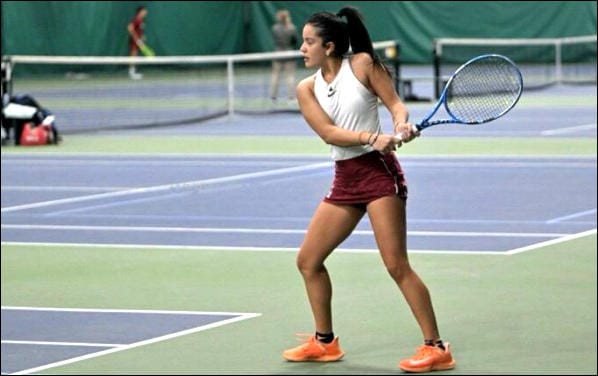
Ana Cetina
March 23, 2026

I grew up in Colombia, knocking on my neighbor's door to ask if she could come outside and play. Today, many of the kids I coach don’t knock on doors. They swipe.
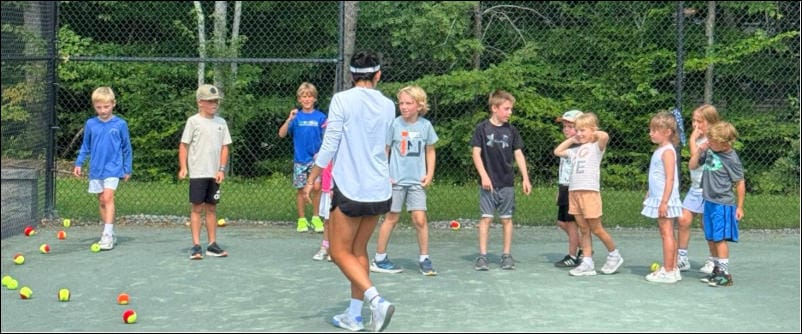
As a female coach working with Gen Alpha players, I have experienced a clear difference between kids who spend significant time on screens and those who do not. The contrast shows in their focus, patience, communication, and learning patterns. Technology hasn’t just changed how they communicate. It is influencing how they process instruction, respond to feedback, regulate emotions, and approach challenges. In many ways, it is reshaping attention and redefining what leadership in sport now requires from us.
Artificial intelligence is part of that reality. The question is no longer whether AI belongs in coaching, but whether we can use it without losing what makes coaching human.
Gen Z: The Bridge Generation
Gen Z sits in between two worlds. We remember boredom. We remember playing outside without documenting it. But we also adapted quickly to smartphones and algorithm-driven platforms.

According to the Pew Research Center, 95% of U.S. teens report having access to a smartphone, and nearly half say they are online “almost constantly.” Gen Z learned to navigate that. Gen Alpha is being formed by it.
That distinction matters. Because when identity is shaped in digital spaces from early childhood, leadership must respond differently.
Gen Alpha: Raised by Algorithms
Data from Common Sense Media shows tweens (ages 8–12) average over five hours of entertainment screen time daily, while teens average more than eight. That level of exposure changes behavior in subtle ways.

In coaching, I see it often. Many junior players expect visible improvement after every drill. If progress is not immediate, attention shifts. I sometimes have to transition quickly between exercises because their focus window is short. They can process brief instructions, but sustained repetition feels harder for them.
Short-form content and instant feedback have conditioned them to expect speed. When measurable progress does not appear quickly, frustration rises. Yet the skills we are teaching require patience and repetition.
We are no longer only coaching techniques. We are coaching attention, resilience, and the ability to stay engaged in discomfort.
Digital Identity and Responsibility
The digital environment shaping young athletes is not neutral.
Platforms such as YouTube, Instagram, and TikTok influence not only how success is perceived but also how character is displayed. Performance is no longer confined to the court; behavior, reactions, and decisions can all live online.
Comparison culture does more than affect motivation. It can shape integrity. When young athletes constantly observe curated versions of others, the pressure to present a polished image increases. The focus can shift from who they are to how they appear. Instead of asking, “Am I improving?” or “Am I acting with discipline?” the question becomes, “How does this look?”

This shift matters. Integrity develops in private moments in effort without recognition, in respect without an audience, in honesty when no one is recording. A digital environment built on visibility can blur those lines.
At the same time, data is constantly collected and stored. IBM’s Cost of a Data Breach Report shows the global financial impact of compromised data continues to rise, underscoring how valuable digital identity has become. What young athletes post, share, or engage with contributes to a long-term digital footprint they may not yet understand.
For a ten-year-old athlete, this is abstract. For leaders, it cannot be.
Coaches now operate in two arenas: the physical training environment and the digital ecosystem shaping identity and values. Guiding athletes in how they represent themselves, how they handle comparison, and how they act when no one is watching is becoming part of development.
Because leadership in this era is not only about performance. It is about protecting integrity in a world where everything can be seen and remembered.
Leadership in the Age of AI
Gen Alpha will grow up in a world where AI is normal. As coaches, we operate inside that reality.
Our job is not to fight technology, but to guide how it is used.
AI is already part of coaching. Video analysis can break down technique within seconds. Wearables track workload and recovery. Some tools suggest training plans or identify patterns that may increase injury risk. When used with intention, these tools improve clarity and decision-making.

Photo: iuriimotov / Freepik
But improvement still takes time. AI can provide instant feedback, yet progress requires repetition. Data can show percentages and movement patterns, but it cannot interpret pressure, fear, or confidence in a tight match. Leadership means choosing long-term development over short-term metrics. Numbers may improve quickly, but resilience and identity are built slowly.
AI will not replace coaches. But it will expose weak leadership, the kind that hides behind data, avoids adaptation, or loses human connection in the pursuit of efficiency.
The future of sport leadership belongs to those who balance data and intuition, efficiency and empathy.
Coaching today is not only about improving footwork. It is about preparing athletes to compete in a world where performance, identity, and technology are connected.
And sometimes, it begins by putting the phone down and asking:
How did you feel out there?
 Ana Cetina is from Chia, Colombia | Ana is a Graduate Assistant Coach at Randolph College (Lynchburg, Virginia) and interns as a Peer Support Specialist at Onrise https://onrise.care/. Ana was featured on AdvantageHer (Driving the growth of women in racquet sports globally). Here is the posted Q+A. Q: What brought you into tennis? |
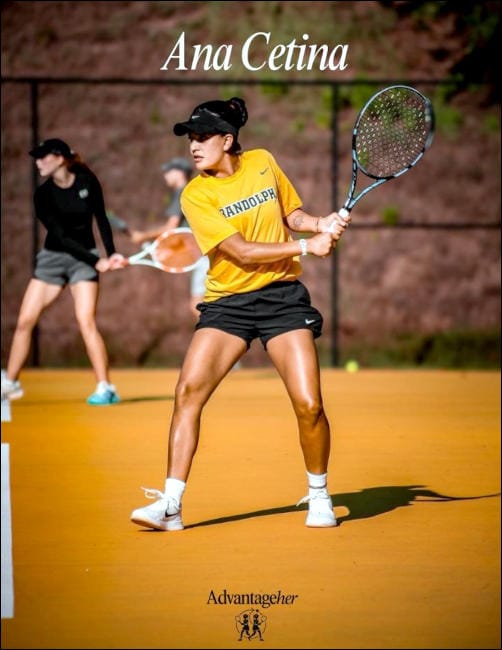 | Tennis became part of my daily life and played a major role in shaping who I am today. Q: What does it mean to you to be a female coach? Q: What do you do in your free time? |
through workouts and running. I also like to paint, read, and spend time outdoors, especially walking and connecting with people.
Q: Why did you choose to become a coach?
A: I did not originally plan to become a coach. However, one summer changed my perspective. I discovered how much I enjoyed helping others improve, not only technically but also mentally. Building connections with players and seeing their progress made me realize how impactful coaching could be.

Q: What does this role mean to you?
A: Being a coach means having the opportunity to influence people beyond the court. It allows me to mentor, support, and guide players through challenges, using tennis as a tool for personal growth and confidence.
Q: What has been the biggest challenge you have faced as a young woman in the racquets industry?
A: One of the biggest challenges has been earning credibility in environments that are still male-dominated. As a young woman, you often have to work harder to be taken seriously, but consistency, preparation, and results help build that respect over time.

Q: What is your future goal in the industry?
A: My goal is to continue growing as a coach and leader, eventually taking on a role where I can develop programs, mentor other coaches, and contribute to the long-term growth of the sport.
Q: What advice would you give to a woman who is just starting to enter the industry?
A: Believe in your knowledge and your voice. Be patient with yourself, stay committed to learning, and do not be afraid to take up space. The industry needs more women who are confident, prepared, and passionate about the sport.