- Racket Business
- Posts
- Building in Public: What I Got Wrong About Clubs Before I Started Talking to Operators
Building in Public: What I Got Wrong About Clubs Before I Started Talking to Operators
Before I started building CourtMatch, I thought I had a pretty good understanding of how clubs operate. I’d played, I’d been around different facilities, and I’d seen leagues, open play, and reservations. From the outside, it felt like I understood the flow. I didn’t.

David Pyrzenski
April 10, 2026
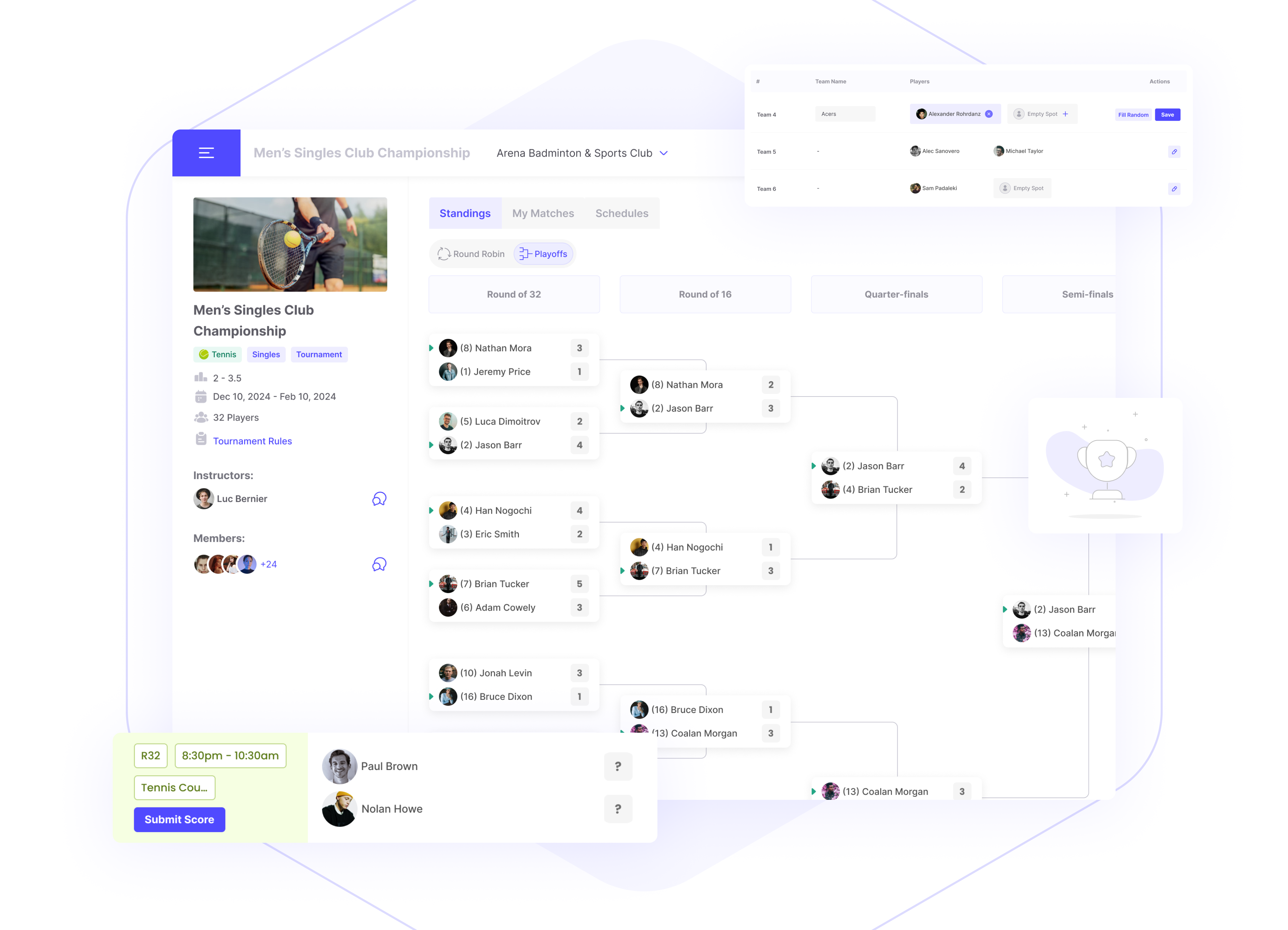
Once I started actually talking to club directors and operators, a few things became very clear, very quickly. The first thing I got wrong was how much of the experience is held together manually. I assumed most clubs had complete systems that handled everything seemlessly and staff just managed exceptions. In reality, a lot of the experience depends on people behind the scenes constantly adjusting things. They’re moving players around, balancing levels, filling empty spots last minute, coming up with programming, managing events, and dealing with no-shows. There’s a lot of invisible work that members never see, and if that work stops, things break down fast.
The second thing I got wrong was how little time directors actually have to plan long term strategy or leverage data to spot trends. I thought the challenge was “how do we improve the member experience?” but most of the time the real challenge is “how do we get through today without something falling apart?” They’re dealing with staffing issues, scheduling conflicts, member complaints, and program logistics. It’s constant. Even if they want to improve things, they don’t always have the time or space to step back and rethink how things are structured. Layer on top of that challenges like "the club uses X system, and even if we wanted to use Y system, we wouldn't be allowed."
The third thing I got wrong was how complex member expectations really are. I thought it was mostly about skill level and availability. That’s part of it, but it’s not the full picture. There’s also confidence levels, social preferences, competitiveness versus casual play, and existing relationships inside the club. Two players can be the same skill level and still be a terrible match. When matches aren’t right, people don’t come back as often.
The biggest shift for me was this: clubs aren’t just managing courts and schedules, they’re managing people and experiences at a really granular level, and most of the tools they have weren’t designed for that. They were designed to organize operations, not to optimize engagement. That realization changed how I think about what we’re building. It’s not about adding more features, it’s about reducing the amount of friction required to create great experiences. I’m still working through what that actually looks like in practice, and I’m curious, for those running clubs, what’s something about your day-to-day that most people on the outside would never expect?
About the Founder David Pyrzenski is the founder of CourtMatch.ai and a lifelong racquet sports enthusiast turned technology entrepreneur. With deep roots in the racket sports community from competitive play in his youth to coaching juniors and remaining an active club member, David experienced firsthand the operational challenges that many clubs face. Marrying that passion with a professional background in software development and customer experience, he set out to build a platform that unifies court reservations, leagues, lessons, memberships, communication, and analytics into one intelligent system designed to boost engagement and streamline club operations. His mission with CourtMatch is simple: to help clubs spend less time on fragmented systems and more time connecting players and growing vibrant communities. Connect with CourtMatch on LinkedIn Learn more about CourtMatch.ai and benefit from a lifetime discount |  |