- Racket Business
- Posts
- March 2026 issue
March 2026 issue
News, trends, conversations, and "holding their feet to the fire" since 2014


Rich Neher & Tim Farthing
March 03, 2026


Hello dear readers, friends, and racket sports enthusiasts.
March is a month of big claims, bold expansion—and serious questions. In this issue, we examine what’s real, what’s hype, and what it will take to build durable growth across tennis, padel, and pickleball.
If you’re in any way involved with the racket sports industry then the vast breadth of information you’ll find this month should help you learn and grow and we look forward to seeing you every month. Just subscribe here!
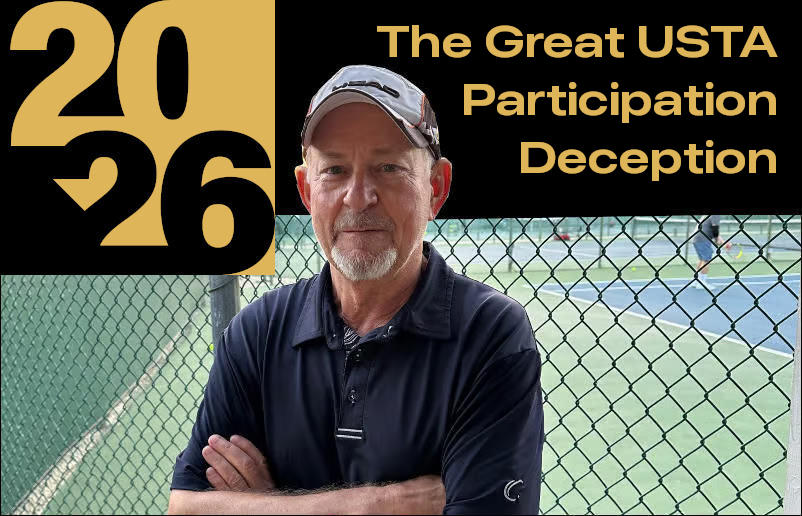
We open as always with Rich’s ‘Publisher’s Notes’ and this time he’s not holding back (does he ever?) when examining the latest survey stats from the USTA in “Bogus Surveys, Made-Up Numbers, the USTA Deception Machine is Humming,” a sharp look at participation data and the narratives built around it.
The scrutiny continues thanks to Dave Miley in his feature “On World Tennis Day I ask… Is Tennis Participation Worldwide Really Growing?”, examining inconsistencies in global reporting, and in “Tennis Participation 2026,” where Gary Horvath finds encouraging signals—but also tough questions and challenging opportunities.
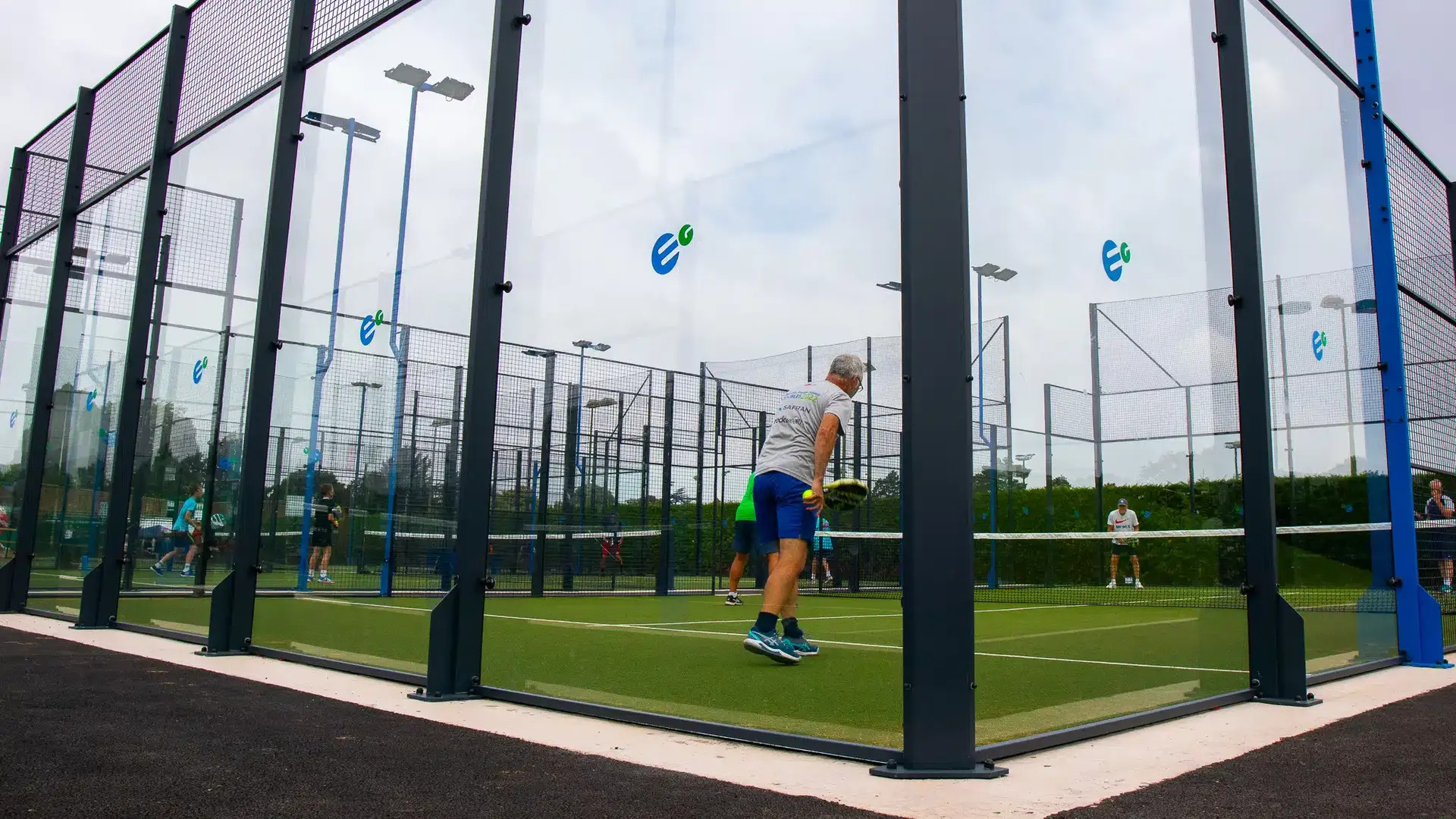
In “Padel in Europe: A Three-Lane Motorway of Growth,” Philippe Azar breaks down which European markets are accelerating, stabilizing, or shifting lanes.
The United States Padel Association outlines its strategy through Executive Director Scott Colebourne in “Building the Digital Backbone: How the USPA Is Transforming Padel in America.”
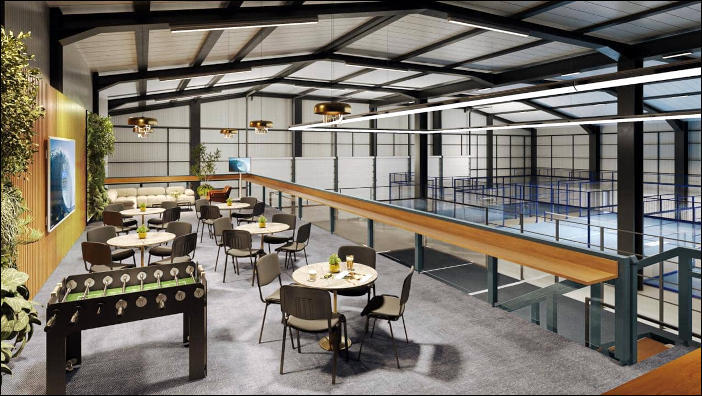
On one side of the Atlantic, “UK’s Padel Gold Rush Is Real — But Are We Building Smart or Just Building Fast?” challenges infrastructure thinking, while ‘Padel Power Sweeping the World’ captures certification, media, and global developments shaping the sport.
After a record audience on CBS, the United Pickleball Association is pursuing a major raise in “Pickleball’s Breakout TV Moment Sets the Stage for an $800M Platform Play” and ‘Pickleball Buzz Beyond the Kitchen’ rounds up the latest media, tech, and community momentum.
Steve McClory delivers a disciplined blueprint in “I Backed the Spreadsheet, Not the Hype,” detailing a 77% ROI in year one of his padel venture.
We explore club software innovation in “Smarter Clubs, Happier Members: How CourtMatch.ai Is Transforming Racket Sports Management.”
Our ‘Racket Sports Tech’ feature highlights platforms including CourtReserve and Tennibot, while ‘FACILITIES – SUPPLIES – PEOPLE’ tackles accounting discipline and indoor connectivity.
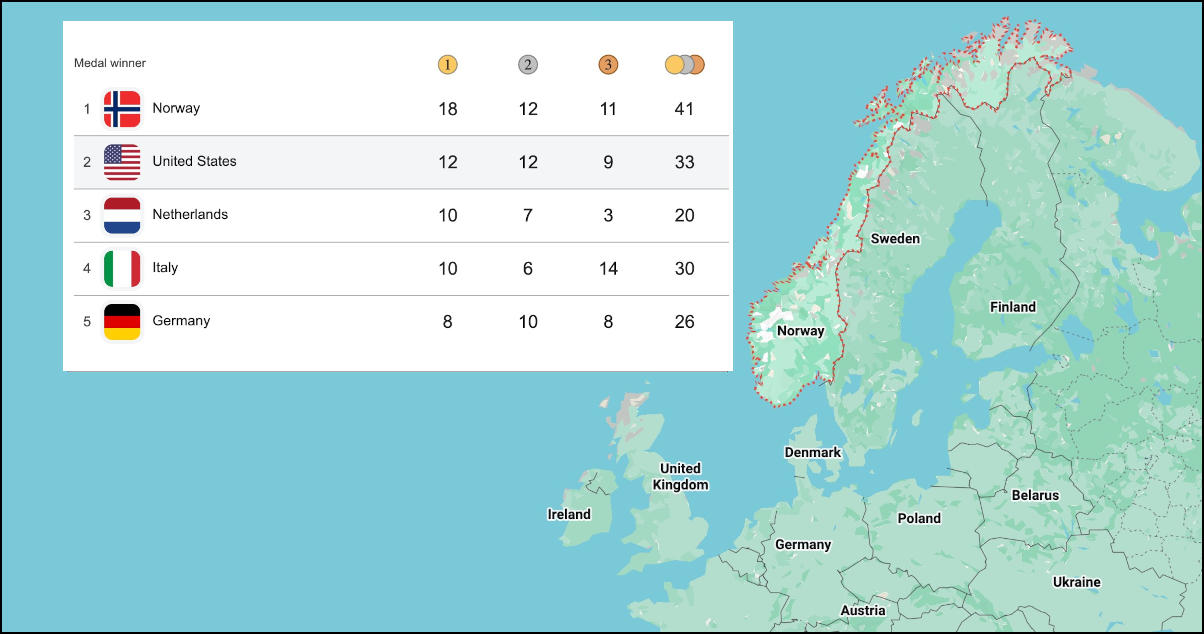
In “Why Norway Is So Successful at the Olympics,” we examine youth development as a competitive edge.
“Never Stop Learning” features leadership and teaching insights from Kyle LaCroix, Loren Anderson, and Amy Moline.
Susan Nardi’s “In the Trenches: Connection Is the New Competition” reminds us adults don’t quit because of their backhand.
Rod Heckelman’s “The Intrigue of Feel” explores presence in performance, and Stefan Laporte’s update on “Tennis – Is the Amateur Game at a Crossroads or in the Crosshairs?” calls for courageous leadership.
Also in this issue:
Why Mantis Is Sponsoring Rising ATP Pro Joaquin Bianchi — a smarter sponsorship model.
Two New Books by Juan Garcia — growth through discomfort.
American Racket Sports Association career opportunities.
Webinar Watch including updates from the Professional Tennis Registry and New Podcasts & More
If you have insights, ideas, or industry experience to share, we invite you to contribute to RacketBusiness — because the conversations that shape our sport start with voices like yours. 👉 Write for RacketBusiness
Enjoy the issue, stay curious, and keep swinging forward.
See you courtside,
Rich & Tim (Learn more about us)
P.S. If ever you can’t find Racket Business in your inbox, check your spam folder. And please mark this address as ‘not spam.’ If you’re using Gmail: On mobile, please tap the three dots in the top right and select “move to” and then “primary.” On desktop, please drag this email into your “primary” folder. If you’re using Apple mail: please select our email address and then select “Add to VIPs.” This will ensure you get the email each month.
From inside the lines…
An exclusive series of short features, only available to newsletter subscribers, from the owner’s of Racket Business. This month…
Your Secret Weapon Is Already in the Clubhouse
In every successful racket sports club, there’s a group that rarely appears on the payroll report—but without them, the culture, community, and momentum would look very different.
Volunteers.
In an era where clubs are investing heavily in technology, facilities, programming, and professional management, it’s easy to frame success as a function of expertise. Hire the best GM. Bring in certified coaches. Upgrade the software. Improve the P&L. All of that matters.
But here’s the truth: professionally employed experts who manage clubs and facilities should view volunteers not as helpers—but as a strategic asset. A force multiplier. A secret weapon.
The best-run clubs understand something simple: staff deliver operations; volunteers amplify impact.
Volunteers Expand Capacity Without Expanding Payroll
Every club has ambition that exceeds its bandwidth.
You want more social events. More leagues. More junior mixers. More charity tournaments. Better communications. Stronger member onboarding. Enhanced member retention. Deeper community ties.
But professional staff already carry full plates—lessons, court scheduling, programming, maintenance oversight, financial reporting, compliance, HR. Asking them to do more without structural support leads to burnout, not growth.
This is where volunteers become transformational.
When energized and aligned, they extend the club’s reach into areas that staff simply cannot prioritize at scale: welcoming committees, event hosting, member mentorship, junior tournament coordination, social media storytelling, local sponsorship outreach, and fundraising.
They add hours, creativity, and human warmth—without adding fixed cost.
Passion Is a Strategic Resource
Here’s the mistake some professional managers make: they see volunteers as interference.
Volunteers are sometimes messy. Opinionated. Emotional. Deeply attached to “how things used to be.” That can feel like friction to a performance-driven operator.
But passion is not the problem. Unchanneled passion is.
The key is reframing volunteers not as obstacles to professionalization—but as partners in it.
When professionals invite volunteers into clearly defined roles aligned with their passions, magic happens.
The retired CPA who loves tennis? Finance committee.
The marketing executive who plays in the 4.0 league? Branding and communications task force.
The junior parent who cares deeply about pathways? Youth development advisory group.
The event-loving social butterfly? Tournament hospitality lead.
People will give extraordinary time and energy to causes they feel ownership in.
The job of the professional leader is not to suppress that energy—but to focus it.
Structure Unlocks Freedom
The secret weapon only works if it’s structured.
Clear charters. Defined responsibilities. Boundaries. Decision rights. Regular communication. Recognition.
Volunteers should not run the club. Professionals should.
But professionals who try to do everything alone are leaving competitive advantage on the table.
The strongest clubs build a simple framework:
Staff own operations and strategy.
Volunteers own engagement and amplification.
Both operate from shared goals and transparent communication.
That clarity eliminates turf wars and replaces them with teamwork.
Community Is the Product
Racket sports facilities don’t just sell court time. They sell belonging.
Volunteers are uniquely positioned to deliver belonging at scale.
A new member who is greeted by another member—not just by front desk staff—feels something different. A junior who sees parents collaborating on events feels something different. A charity event hosted by members creates a story that no marketing campaign can replicate.
Community cannot be outsourced.
It must be cultivated.
And volunteers are its primary gardeners.
The Competitive Edge
In a crowded sports and leisure marketplace, clubs compete on experience as much as infrastructure.
Professionally managed excellence is essential.
But professionally managed excellence fueled by energized volunteers? That’s difficult to replicate.
The smartest leaders in racket sports don’t see volunteers as “free labor.” They see them as cultural architects.
Your secret weapon isn’t hiding.
It’s sitting at the round table after league night—waiting to be invited into something meaningful.
Please note that all of our content is created by human professionals. While we utilize Generative AI technology to assist in correcting syntax and grammar, our articles are written entirely by our team of experts. We value the expertise and creativity of our human writers in delivering high-quality content to our readers.




RACKET SPORTS INDUSTRY





PADEL